Patterns That Move the Room

Step inside a space where geometry becomes atmosphere. Today we explore Parquet Pattern Play for Modern Interiors, translating herringbone, chevron, basketweave, and inventive borders into livable rhythm. Discover how scale, species, finish, and light collaborate to guide footsteps, quiet echoes, and frame daily rituals—then subscribe, ask questions, share sketches, and spark conversations with our community.

Foundations of Flowing Geometry

Scale, Proportion, and Sightlines

Large herringbone can energize an airy loft, while smaller modules suit intimate nooks, but both depend on measured sightlines. Map major views, doors, and furniture masses to align spines and chevrons, extending perceived length, calming corners, and pulling natural light deeper without clutter.

Species and Surface Finishes

White oak welcomes varied stains and wire-brushed texture, whereas walnut carries natural depth that pairs beautifully with minimal finishes. Choose matte sheens to soften glare along diagonal runs, letting grain read as gentle movement, while hardwax oils invite repairability, warmth, and tactile authenticity.

Subfloor Precision and Acclimation

Patterns amplify tiny gaps, so substrate preparation matters. Confirm flatness across spans with long straightedges, control humidity early, and stage planks for acclimation. Thoughtful sequencing prevents creeping misalignment, squeaks, and end-lippage, preserving clean geometry that still feels forgiving under footsteps and shifting seasons.

Herringbone and Chevron: Rhythms with Purpose

Two cousins deliver distinct energy. Herringbone interlocks like footprints, pausing and propelling simultaneously, while chevron forms seamless arrows that steer attention. Choose based on room axes, furniture flow, and daylight, then refine angles, module sizes, and borders so movement feels artful, never frantic.

Choosing the Right Angle for Energy

Shallow chevron angles stretch a corridor with gentle momentum, whereas steeper cuts spark drama that suits expressive foyers. Test paper templates and augmented overlays to see how lines meet fireplaces, stair noses, and island plinths, ensuring transitions land gracefully without crowding baseboards or thresholds.

Room Illusions and Natural Light

Diagonal modules catch sunbeams differently through the day, brightening dim corners while masking uneven light. Rotate the layout to echo window orientation, letting reflections march along spines and edges, so surfaces shimmer softly, widen narrow rooms, and invite longer, more satisfying pauses.

Borders, Frames, and Transitions

A calm border controls busy geometry, creating a breathing edge around cabinetry, hearths, and thresholds. Use straight planks, brass inlays, or stone saddles to pause the pattern briefly, protect high-wear seams, and guide eyes from one activity zone to the next without confusion.

Basketweave, Brickwork, and Graphic Grids

When serenity meets structure, woven and rectilinear layouts deliver gentle cadence without overt diagonals. Basketweave softens acoustics in lively kitchens, while brickwork adds order in galleries. Experiment with alternating tones, subtle bevels, and micro-bevel shadows to emphasize texture that reads sophisticated rather than showy.

Sustainability and Lifespan Considerations

Longevity begins with responsible sourcing and continues through finish choices and maintenance habits. Certified forests, durable engineered cores, and repair-friendly oils reduce waste, while thoughtful entry mats and felt pads safeguard edges, keeping expressive layouts beautiful, resilient, and relevant long after trend cycles fade.

Engineered vs. Solid Under Real Life

Engineered planks handle seasonal movement better over radiant heat and wide spans, protecting precise joints. Solid boards invite deeper refinishing potential in future decades. Match construction to climate, subfloor, and traffic, so artistry survives muddy boots, playful pets, and exuberant gatherings without anxiety.

Low-VOC Finishes and Indoor Air

Modern sealers can protect grain while respecting wellness goals. Choose waterborne urethanes or plant-based hardwax oils with verified emissions data, allowing families to move in quickly. Fresh airflow, clean filters, and cautious curing schedules keep scents minimal and comfort remarkably high.

Repairability, Patina, and Story

Life leaves marks that become character rather than damage when finishes allow spot-repair. Keep a small batch of stain and spare planks labeled by room. Thoughtful touch-ups, gentle cleaners, and patience help floors collect memories, deepening warmth with every celebration and quiet afternoon.

Color, Light, and Material Pairings

Tone-on-Tone Serenity with Soft Neutrals

Layering sand, oat, and mushroom hues creates cohesion that relaxes the eye. Introduce linen, bouclé, and open-grain cabinetry to echo softness. The result supports mindful routines, making patterned floors read like quiet music rather than constant percussion beneath daily movement.

High-Contrast Drama that Stays Timeless
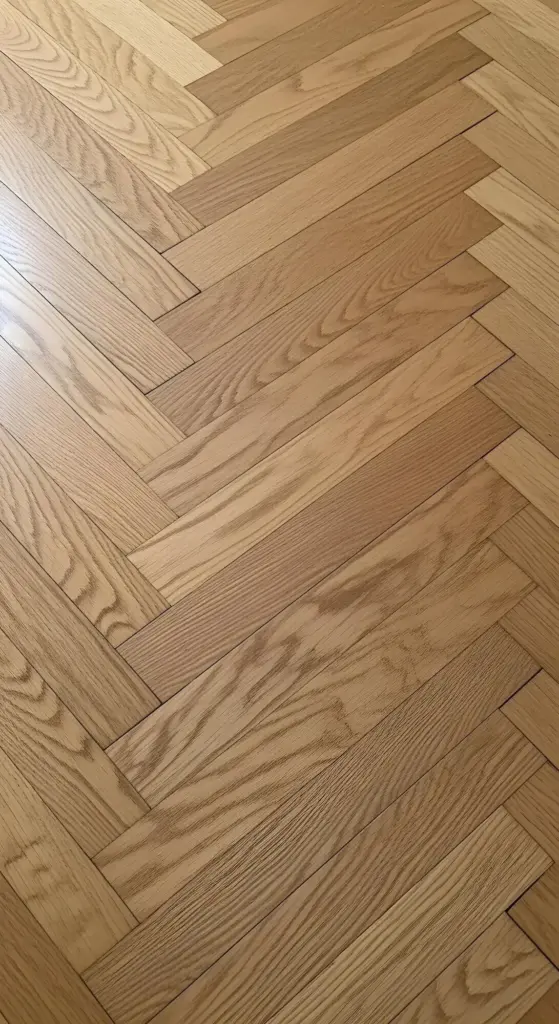
Charcoal borders against natural oak, or ebony inserts beside pale ash, generate crisp punctuation with enduring appeal. Keep walls simple, lighting focused, and art curated so the floor conducts the room, delivering confident emphasis without tipping into visual noise or fatigue.

Metals, Stone, and Fabrics in Concert

Brushed brass trim echoes warm undertones; honed marble adds cool relief; wool rugs soften acoustics. Balance tactile layers around patterned pathways so every step feels intentional, inviting conversations to unfold comfortably while materials age gracefully together, season after season, without pretense.

Installation Craft and On-Site Realities

Beautiful diagrams meet dust and deadlines on real jobsites. Success depends on disciplined layout checks, patient cutting, and communication between designer, installer, and client. Build buffers for drying, deliveries, and punch-lists so the final reveal looks effortless, durable, and deeply considered.

Layout Mockups and Dry Runs

Tape outlines and sample boards expose surprises early, from off-center mantels to sneaky out-of-square alcoves. Photograph options in morning and evening light, invite stakeholders to walk the room, and lock decisions with notes on angles, borders, and starter rows before adhesives open.

Adhesives, Fasteners, and Movement

Select moisture-tolerant adhesives and appropriate fasteners for substrate and plank thickness. Respect expansion with purposeful gaps and perimeter flexibility, especially at sun-warmed thresholds. These small allowances protect pattern fidelity, preventing stress cracks, tenting, squeaks, and the slow drift that unravels crisp geometry.
Pirazentozeralumanovilaxi
Privacy Overview

This website uses cookies so that we can provide you with the best user experience possible. Cookie information is stored in your browser and performs functions such as recognising you when you return to our website and helping our team to understand which sections of the website you find most interesting and useful.