
Make Compact Rooms Breathe With Parquet Direction and Scale
Today we dive into parquet orientation and scale tricks to enlarge compact spaces, revealing how directional patterns, proportion choices, and seamless transitions stretch sightlines and unlock calm. Expect practical layouts, human stories from real apartments, and clear guidance you can apply this weekend. Share your room’s dimensions in the comments, and we’ll suggest an orientation, module size, and finish that visually widens it without structural changes or costly demolition.
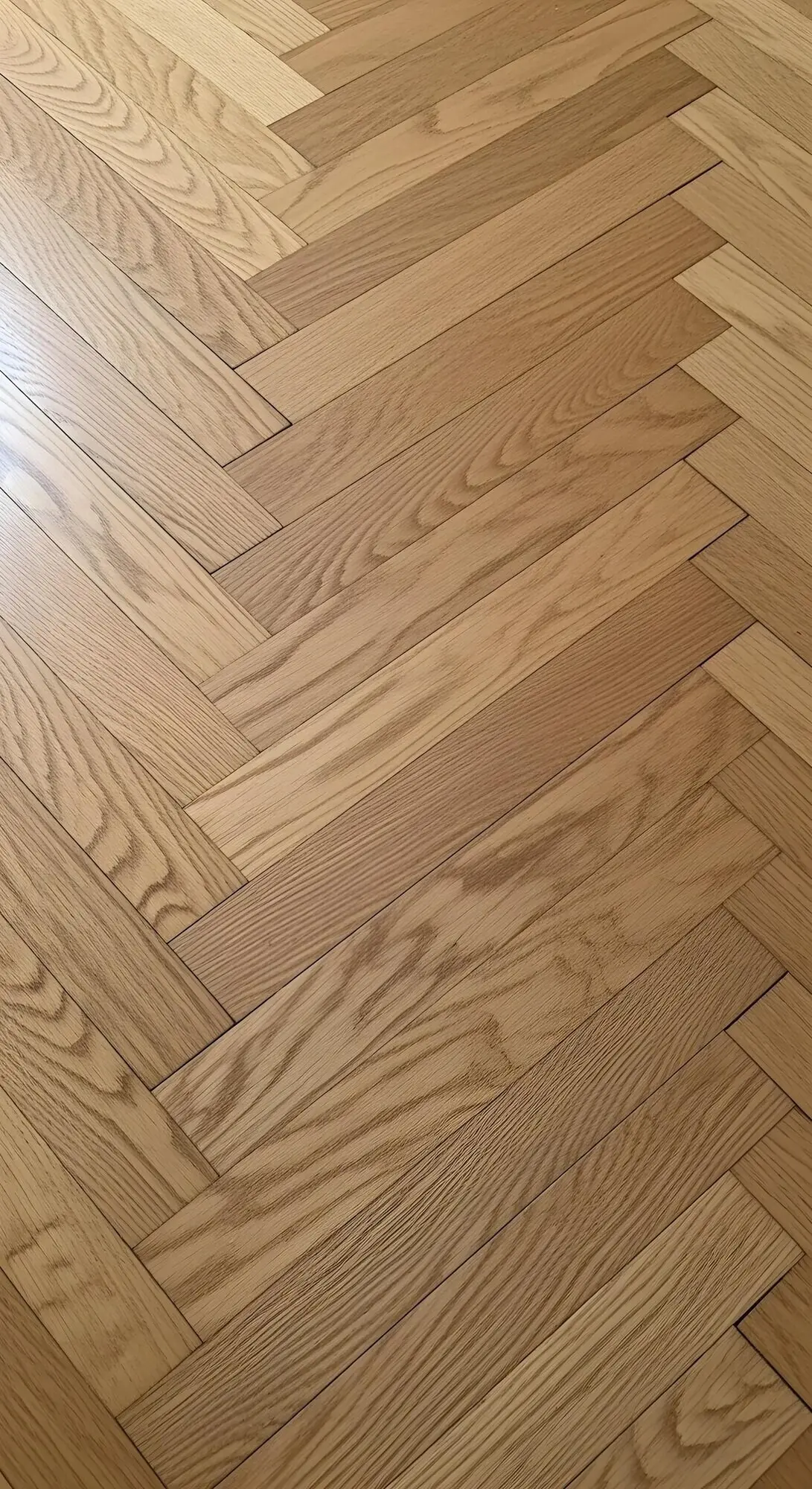
Flow Lines That Lead the Eye
Where your parquet points, the gaze follows. By aligning pattern direction with natural light, doorways, or the longest wall, you create an intentional runway for the eye, quietly adding perceived length and width. In a 21-square-meter studio we visited in Lisbon, rotating a herringbone spine toward a balcony door created a sun-guided corridor, changing the space from boxy to quietly expansive without moving a single partition.

Align With Natural Light
Direct chevrons or herringbone points toward the primary window, and you’ll borrow depth from the outside view. Light glides along the pattern, smoothing visual pauses between boards. Morning brightness carries across the floor like a ribbon, making corners feel further away. Try photographing the room at noon after installation—you’ll notice longer highlights, softer shadows, and a subtle, continuous glow suggesting more square footage.

Chase the Longest Wall
When uncertain, let the longest uninterrupted wall set the course. Running the herringbone spine or plank direction parallel to that boundary stretches perspective lines, much like train tracks converging in the distance. We used this in a narrow hallway, where the eye marched confidently forward rather than bouncing sideways. Even guests unfamiliar with design language remarked that the corridor felt “less tight,” proving how alignment guides perception.


Choosing Scale: Plank Widths and Pattern Modules
Scale matters as much as direction. Oversized modules reduce grout-like seams that fragment tiny interiors, while slimmer pieces can craft rhythm with care. Aim for a balance: fewer lines for calm, enough pattern for character. In a micro-loft makeover, stepping from narrow strips to a larger herringbone module softened visual chatter, quieted the floor’s texture, and gave breathing room to the furniture scheme without any heavy-handed styling tricks.
Seamless Transitions Between Zones
Continuity is a quiet magician. Minimizing thresholds, maintaining direction across doorways, and feathering patterns through functional zones prevents visual stutters that reduce perceived size. In a small family flat, we carried a chevron run through kitchen, dining, and corridor without metal strips. The apartment instantly felt cohesive, like one considered canvas. Share your layout, and we’ll help map transitions that keep pathways flowing while accommodating expansion gaps and practicality.
One Pattern, Many Rooms
Choose a single orientation and let it travel across connected areas without abrupt pivots. Even when walls jog, maintain the reference line so furniture nests naturally and pathways remain legible. This continuity frames storage, softens appliance clusters, and reduces tripping points for the eye. It also simplifies cleaning and long-term maintenance, because there are fewer edges to trap dust or telegraph differences between zones that unintentionally feel smaller.
Thresholds That Disappear
Replace bulky transition bars with flush, color-matched strips or expertly laced parquet that bridges doorways. The floor then reads like a single field rather than broken tiles of thought. Pay attention to subfloor levels and humidity allowances to preserve integrity. When done right, children and pets roam room-to-room without hiccups, and visiting friends sense a generous, uninterrupted sweep underfoot that extends walls outward with calm confidence.
Rugs, Borders, and Framed Insets
Textile layers and subtle wood borders can define functions without fragmenting space. A tone-on-tone rug floats atop consistent parquet, sketching a conversation area while keeping the larger canvas intact. Framed insets, if used, should be restrained and color-harmonized so they read as gentle emphasis, not fences. Share photos of your intended rug sizes below, and we’ll recommend proportions that highlight gathering spots while preserving an open, gracious backdrop.
Color, Grain, and Sheen That Expand Perception
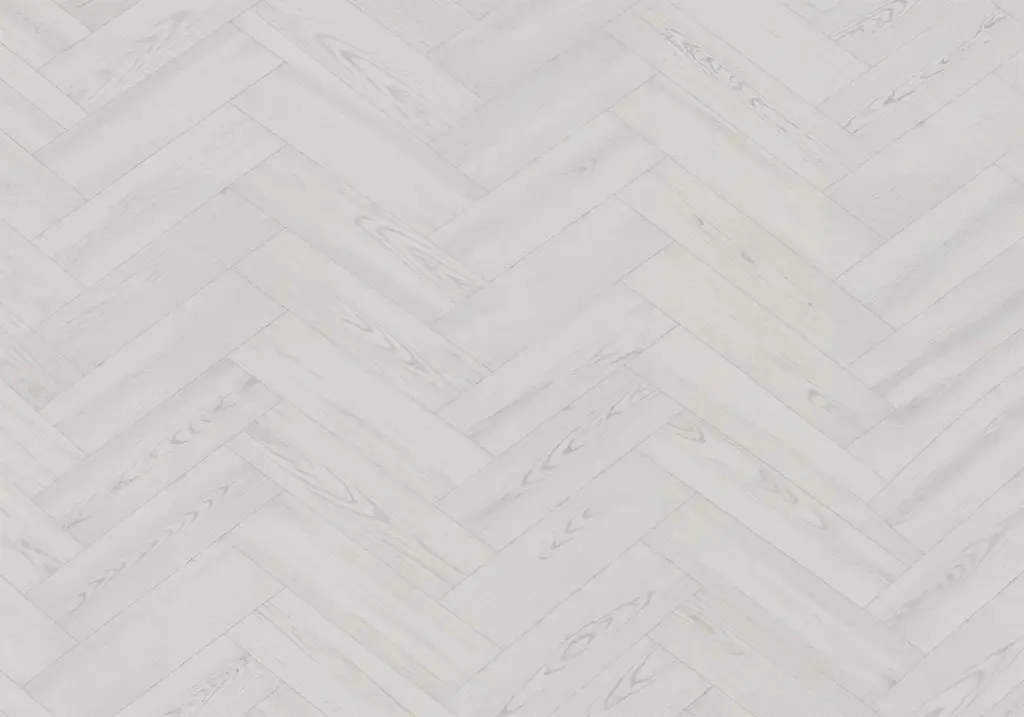
Finishes can multiply square footage in the mind. Light, low-contrast tones bounce illumination deeper into corners; matte sheens tame glare and contour lines; quiet grain minimizes micro-shadows that fragment the floor. We saw a dramatic shift in a basement office where pale oak with a soft oil finish replaced dark gloss boards—the desk felt centered, not crowded, and the ceiling seemed taller. Comment with your lighting conditions for tailored guidance.
Precision Installation Details That Sell the Illusion
The blueprint behind the beauty matters. Strong reference lines, squared starts, and patient dry-laying protect the orientation story and keep modules marching confidently. In a rental renovation, we snapped a centerline from balcony door to hallway end, dry-fit a full herringbone span, then shifted by a single board width to balance cuts. The finished run felt intentional, even when walls wavered, preserving that prized, expanded impression.




Edge Bevels and Cleaning Perception
Deep bevels can trap dust that outlines every plank, shrinking the floor visually. Choose micro-bevels or square edges for a smoother read, then maintain with a neutral cleaner and gentle microfiber routine. Avoid overly dark waxes that pool in joints. Clear seams appear narrower, highlights glide uninterrupted, and rooms keep that newly opened feel. Share your finish and bevel profile below for personalized maintenance tips based on daily traffic.

Sound Damping Underlays
Thin spaces amplify clatter. Underlays with cork, rubber, or high-density foam tame heel strikes and airborne noise without adding much height. Calmer acoustics reduce sensory busyness, helping the brain interpret rooms as larger and more ordered. If you’re in a multi-story building, check rating requirements before purchase. We can recommend tested assemblies that pair well with glued-down parquet or floating systems, preserving direction, integrity, and the generous hush you’ll notice instantly.