Depth That Moves: Parquet Brought Alive Through Nuanced Wood Layers

Step into a richly layered approach to parquet where color, undertone, texture, and sheen collaborate to create movement under every step. Today we explore layering wood tones and finishes to add depth to parquet floors, transforming flat fields into quietly animated surfaces that guide light, anchor furniture, and tell stories. Expect practical strategies, field-tested anecdotes, and inviting inspiration you can adapt in compact apartments or grand halls. Share your questions and subscribe for future experiments, then comment with your favorite pairings so our community learns together.

Reading Undertones Like a Colorist

Before brushes, buffers, and borders, the most powerful tool is your eye for undertone. Walnut’s chocolate warmth, white oak’s subtle straw, and ash’s quiet gray can sing together when their base hues are understood and intentionally layered. The goal is not perfect matching but conversational harmony. We consider wall paint, natural light, and furniture stains so every board participates gracefully. Expect practical pairings, cautionary tales about green-shifting finishes, and cues for neutral bridges that settle bold contrasts without dulling character.

Finishes That Sculpt Light

Sheen and chemistry change how wood receives and returns light, creating the illusion of depth without adding a single millimeter of thickness. Hardwax oils amplify grain chatoyance while remaining matte; waterborne poly preserves clarity with subtle coolness; oil-modified blends warm gently and mellow movement. Reactive stains, fuming, or smoking build shadow inside pores for layered tonality. We will balance protection, repairability, and tactile feel, so every step reads dimensional yet welcoming, never plasticky or dull.

Matte, Satin, and Gloss in Real Rooms

Gloss can sparkle in galleries yet exaggerate imperfections at home. Matte hides micro-scratches, absorbs glare, and makes tone shifts feel natural. Satin offers a polite middle path many families love. Place a sample panel on the floor, then crouch to foot level and watch reflections move through morning, afternoon, and evening. The most convincing depth often appears when sheen is quiet, allowing grain and undertone layers to do the storytelling instead of reflections stealing the scene.

Reactive Processes and Natural Oxidation

Fuming and smoking white oak coax deeper browns from tannins, stacking internal shadows that photographs barely capture. Iron acetate solutions can darken selectively, while lye or ammonia treatments shift base color without heavy pigments. These effects evolve as wood oxidizes, so document day-one tones and revisit after a week. Seal tests with the exact finish system planned, since topcoats alter hue. Patience reveals whether your layered depth holds steady, warms, or tips unpredictably green.

Pattern Strategies for Dimensional Ground

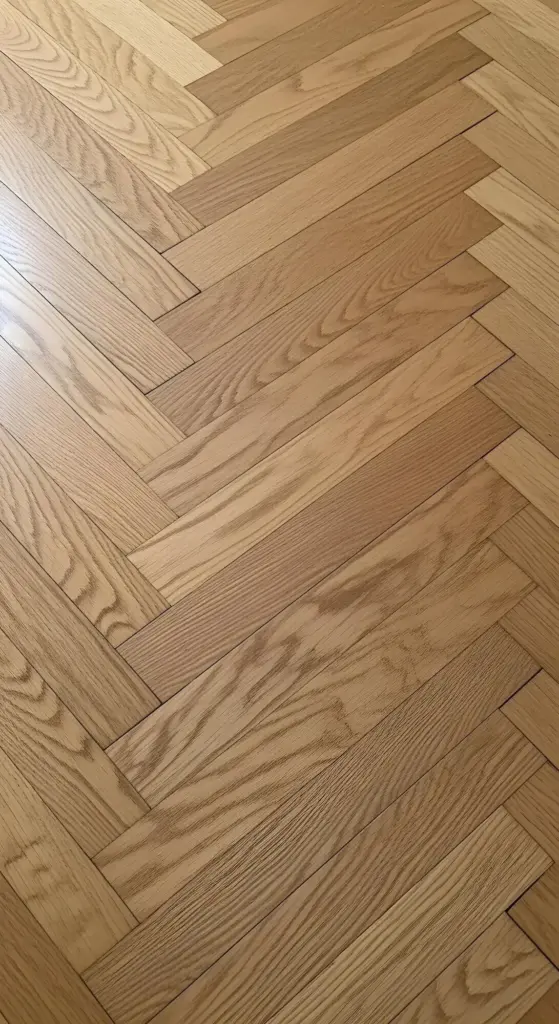
Pattern is the stage that supports layered tones and finishes, amplifying depth through direction and cadence. Herringbone introduces lively zigzag shadows, chevron channels light like arrows, and basketweave rests the eye between moments of emphasis. Borders act like picture frames, keeping visual energy contained. We will scale blocks to room proportions, use tone gradients to guide movement, and reserve high drama where it earns attention, ensuring layered choices feel deliberate instead of decorative noise.

Herringbone With Gentle Tone Gradients

Alternate two close cousins of white oak, one slightly smoked, the other left natural, and allow a faint gradient to ripple across the herringbone’s steps. The pattern gains motion while avoiding checkerboard harshness. Keep the difference within a couple of shade values for subtlety. A slim darker border quiets edges, and furniture legs land securely on the zigzags. Visitors rarely name the trick; they simply sense a floor that breathes and changes as they move.

Chevron As a Light Conductor

Chevron points steer sunlight toward focal walls and gather shadows along seams, deepening perception without dark stain. Shorter planks quicken rhythm; longer ones stretch perspective in narrow rooms. Slightly varying finish sheen across alternating rows is rarely advisable, yet tonal micro-shifts can be gorgeous when kept restrained. Consider a softly warmed oak against a neutral companion to coax the arrow forms to glow, then anchor the composition with a quiet, straight-laid threshold.

Borders, Inlays, and Quiet Fields

A calm field allows inlays and borders to speak clearly. Use a toned border that repeats cabinetry color, creating a gentle echo the eye trusts. In heritage homes, a fine-line contrasting stringer separates field and frame elegantly. The center can hold the lightest tone, with corners deepening slightly like a vignette. This hierarchy organizes space, reveals craftsmanship, and invites rugs without hiding beauty. Done well, the floor feels composed, not crowded, delivering depth with restraint.

Sampling, Mockups, and Lighting Truths

Small chips lie; large panels confess. Real depth emerges only when layered tones and finishes meet actual light, walls, and furnishings. Build storyboards on site, then graduate to at least one square meter panels finished exactly as proposed. Test near windows and in interior corridors, morning through evening. Photograph, but trust your eyes over screens. We will outline a process that prevents surprises, including curing timelines, buff-back techniques, and clear labeling to track subtle variations.

Living With Patina: Maintenance That Deepens Character

A layered floor earns its richest voice through daily life. Micro-scratches become soft haze, traffic lanes polish naturally, and oils settle into grain, building a complexity no showroom can fake. Maintenance choices matter: appropriate cleaners, refresher coats, felt pads, and sensible humidity transform aging into artistry. Embrace rugs that breathe, not smother. We will share routines, product types, and small habits that keep depth growing beautifully, plus a story of a seaside entry that aged gracefully.

Responsible Sourcing and Budget Savvy Layering

Depth does not demand extravagance. Smart sourcing and value engineering can deliver exquisitely layered parquet within real budgets. Mix reclaimed and new boards thoughtfully, rely on grade blending for subtle variety, and use borders strategically so costly tones appear where they work hardest. Engineered cores add stability and often reduce waste. We will highlight certifications, regional availability, and negotiation tips with mills, plus invite readers to share suppliers and experiences to grow a trustworthy resource list.

Reclaimed and New, Thoughtfully Combined

Reclaimed oak carries a prewritten patina that accelerates depth, yet supply can be inconsistent. Use reclaimed for borders or focal fields, then transition to new material that matches undertone and texture. Align thickness and moisture content to avoid lippage. A light, unifying finish ties eras together. The result feels storied without pretense, delivering richness guests notice immediately while your budget benefits from targeted placement of the most characterful, expensive boards where they matter most.

Grade Blending Without Visual Chaos

Combining select and character grades can look effortless when rules are clear. Keep knots and color variation denser where furniture mass is heavier, and calmer boards where sightlines stretch. Sort on site, rejecting pieces that disrupt undertone continuity. A short, gentle stain unifies while allowing individuality. Communicate ratios to installers so boxes are not laid sequentially. Intentional blending builds depth through curated diversity, producing a floor that feels alive rather than randomly busy or patchwork.

Engineered Options That Still Feel Authentic

Modern engineered planks offer thick wear layers and stable cores that accept wire-brushing, reactive stains, and oils beautifully. Choose sawn, not rotary, face veneers for honest grain. Verify sanding allowance if future refinishing is planned. When layered intelligently with borders and pattern, engineered options can rival solid underfoot while controlling costs and site risk. Request factory samples finished to your specification, and confirm sheen precisely. Authenticity emerges from design discipline, not material mystique alone.

Pirazentozeralumanovilaxi
Privacy Overview

This website uses cookies so that we can provide you with the best user experience possible. Cookie information is stored in your browser and performs functions such as recognising you when you return to our website and helping our team to understand which sections of the website you find most interesting and useful.